

Ä¢¹½Av Launches Conservation Ranching Program in Wisconsin to Support Declining Grassland Bird Populations
Bird-friendly certification aims to improve bird habitat and connect consumers to conservation
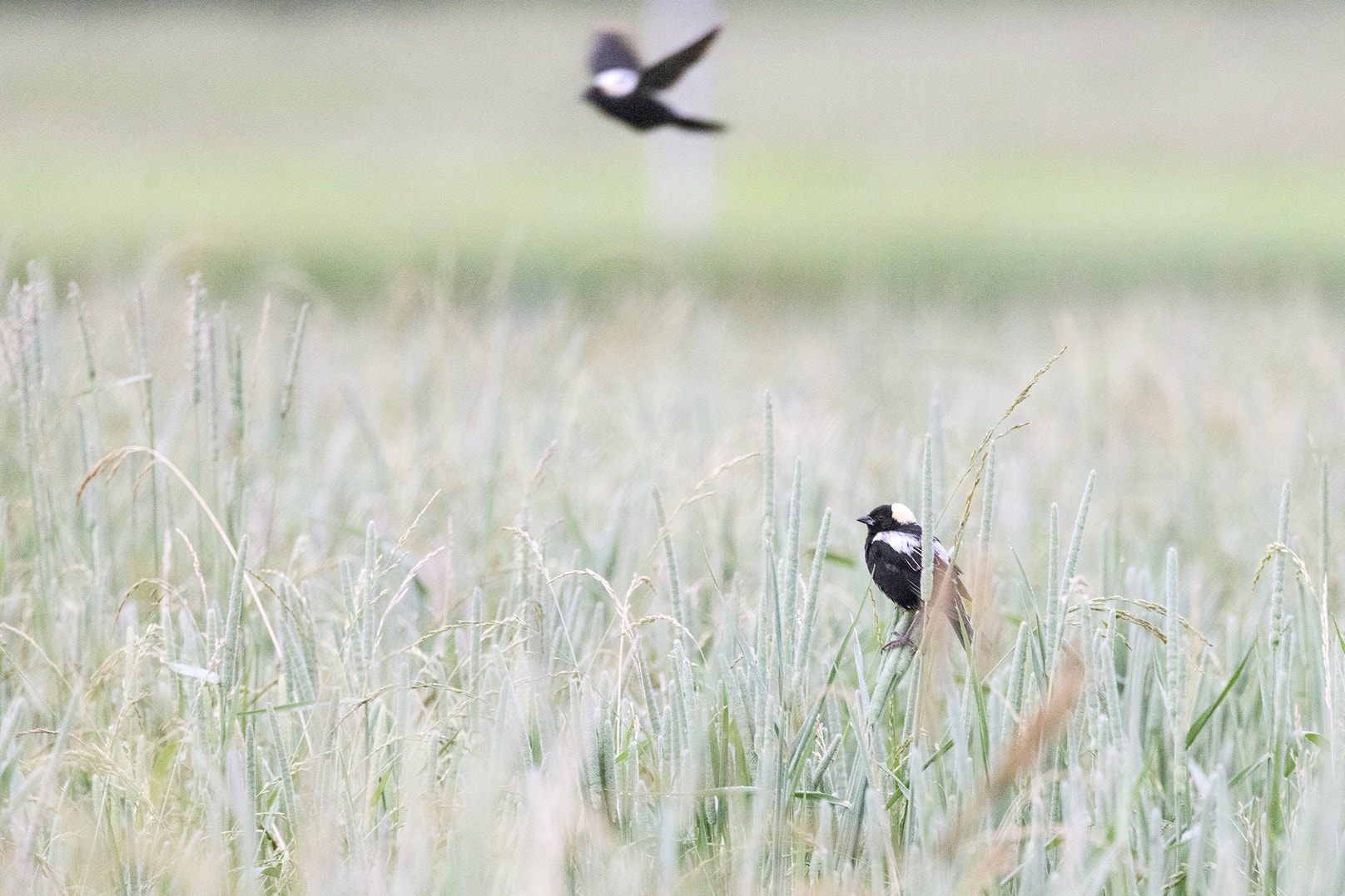
WISCONSIN (June 27, 2024) — The Ä¢¹½Av is excited to announce the launch of its Conservation Ranching program in Wisconsin, a growing and innovative habitat effort aimed at stabilizing declining grassland bird populations through partnerships with local farmers and ranchers in central Wisconsin and the Driftless Area to establish and enhance grassland bird habitat on their lands. The program operates through a bird-friendly land certification, which recognizes producers who manage their lands for birds and biodiversity.
The program’s entry in Wisconsin builds on success in 14 other states, where more than 100 ranches covering nearly 3 million acres have earned status as Ä¢¹½Av Certified bird-friendly land. The certification is built on rotational grazing as a means to manage a mosaic of grassland habitat for birds, and landowners must meet stringent habitat management, environmental sustainability, and animal welfare standards to qualify. Once qualified by a third-party audit, producers then use the Ä¢¹½Av Certified bird-friendly seal for the packaging and promotion of beef and bison products grazed on Ä¢¹½Av Certified bird-friendly lands. Consumers support conservation when they select products from these lands.
According to the most recent , grassland birds have suffered the sharpest population declines of any terrestrial biome since 1970. Tom Prestby, Ä¢¹½Av’s Conservation Manager for Wisconsin, says the hemispheric trend hits home in his home state, too.
"±á±ð²Ô²õ±ô´Ç·É’s Sparrow and Upland Sandpiper are listed as State Threatened due to population decreases, and a host of other grassland species including Bobolink, Dickcissel, Grasshopper Sparrow, and Eastern and Western Meadowlark are Species of Greatest Conservation Need," said Prestby. "Additionally, small remnant populations of Sharp-tailed Grouse in northwestern Wisconsin and State Threatened Greater Prairie-Chicken in Central Wisconsin continue to decrease with their last remaining populations in significant jeopardy in the state."
The primary reasons for grassland bird troubles include habitat loss and degradation, tree and shrub encroachment, and pesticide applications, all things that are countered in the Ä¢¹½Av Conservation Ranching program that requires active grassland habitat management and restricts chemical use.
â€Àá²Ô³¦°ù±ð²¹²õ¾±²Ô²µ public awareness and better connecting consumers to conservation land use will be instrumental in bringing more funding and resources to aid the plight of our grasslands,â€� added Prestby.
Ashly Steinke is Ä¢¹½Av’s Grassland Ecologist in Wisconsin. A nve of Chippewa Falls, and a rancher himself, he leads the on-the-ground efforts of the Ä¢¹½Av Conservation Ranching program, guiding the first cohort of landowners through the enrollment process to certification.
“I am heartened not only by landowner interest in the program but also by a change in the narrative of cattle as catalysts for ³¦´Ç²Ô²õ±ð°ù±¹²¹³Ù¾±´Ç²Ô,â€� said Steinke. "Cattle are more than livestock on Ä¢¹½Av Certified bird-friendly lands, they are habitat helpers.â€�&²Ô²ú²õ±è;
The program emphasizes rotational grazing practices that strategically move cattle across the landscape. This method creates varying degrees of rest and recovery for patches and pastures, resulting in diverse vegetation layers that are crucial for different bird species' habitats.
“Our approach mimics the natural and historical grazing processes grasslands evolved with to create wildlife habitat.â€� For example, Grasshopper Sparrows need a thinner grassland with little or no residual vegetation, ±á±ð²Ô²õ±ô´Ç·É’s Sparrows need a thicker grassland with a year or two of residual vegetation, and Bobolinks and Eastern Meadowlarks prefer habitats in between.
The Ä¢¹½Av Conservation Ranching program is Wisconsin is made possible with partner support from the Driftless Area Land Conservancy, Golden Sands Resource Conservation & Development, Grassworks/Grassland 2.0, National Fish and Wildlife Foundation, Natural Resources Conservation Service, Natural Resources Foundation of Wisconsin, Sand County Foundation, U.S. Fish and Wildlife Service, Wisconsin DNR, and more.
To locate a retailer who carries beef and bison products raised on Ä¢¹½Av Certified land, visit this map to find retailers—ranches, butcher shops, grocers, and online shops.
For more information about the Ä¢¹½Av Conservation Ranching program in Wisconsin, please contact Ashly Steinke at ashly.steinke@audubon.org . For more information about Ä¢¹½Av Conservation Ranching nationally, please contact ConservationRanching@Ä¢¹½Av.org.
About Ä¢¹½Av Conservation Ranching
A wildlife habitat initiative of the Ä¢¹½Av with a unique market connection, Ä¢¹½Av Conservation Ranching aims to stabilize declining grassland bird populations in partnership with ranchers – on whose land 95 percent of grassland birds live. Ä¢¹½Av Conservation Ranching’s enrollment includes over 100 ranches and nearly 3 million acres that have earned status as Ä¢¹½Av Certified bird-friendly land. Incentivizing this habitat work for birds and biodiversity are consumers with an appetite for conservation, who support it by purchasing products grazed on these lands. Shoppers see a special package designation – the Ä¢¹½Av Certified bird-friendly seal – that sets these products apart. For more information, visit www.audubon.org/ranching.
